
orzo lemon salad – Quick way to make Delicious 20 min
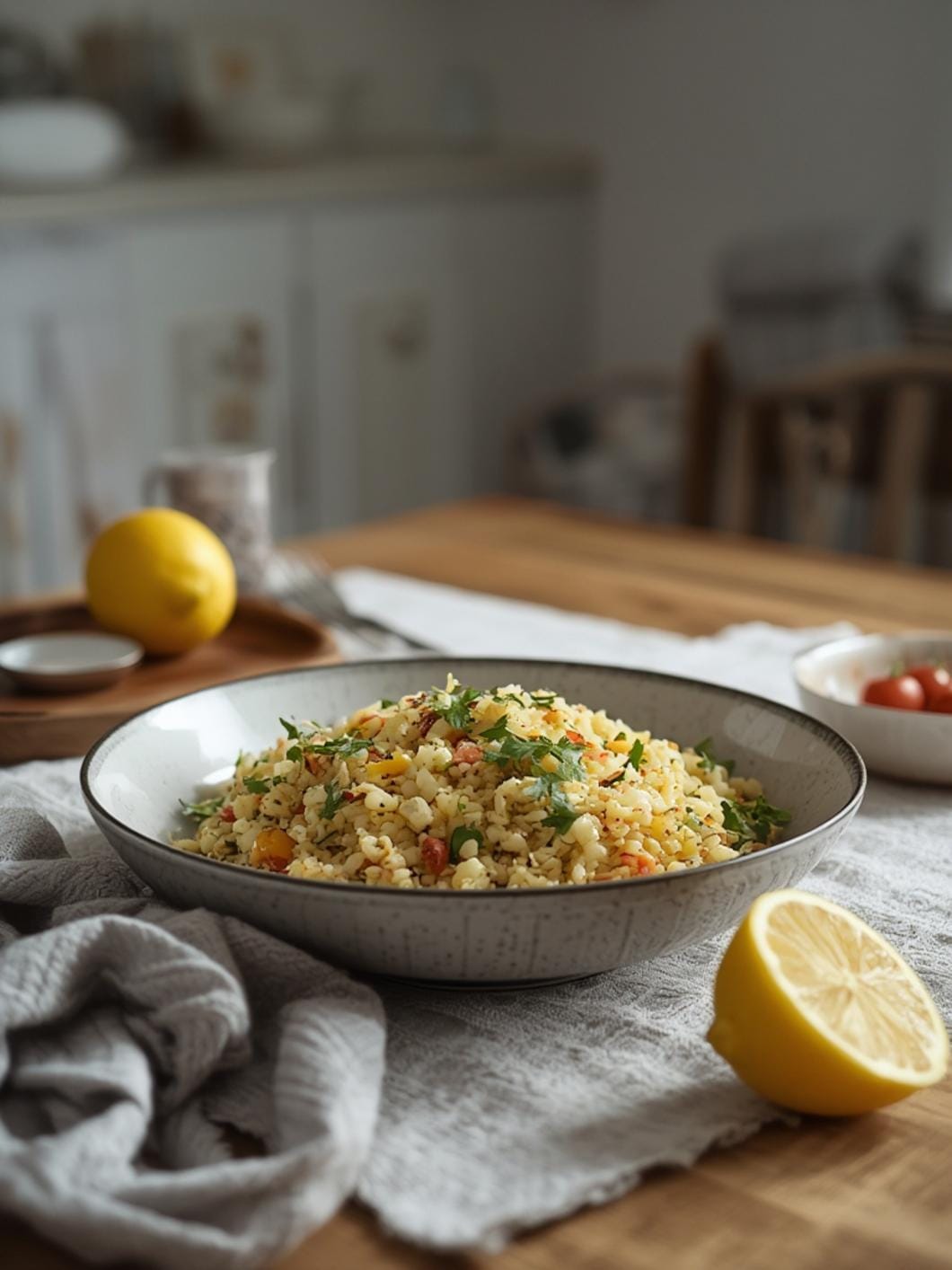
Table of Contents
Introduction
Have you ever found yourself craving a dish that’s simultaneously light yet satisfying, zesty yet comforting? What if you could create a restaurant-quality Mediterranean-inspired salad in under 30 minutes using pantry staples? The secret lies in mastering this vibrant orzo lemon salad that perfectly balances bright citrus notes with hearty pasta textures. Unlike heavy mayonnaise-based salads that wilt in the summer heat, this homemade version celebrates fresh ingredients and bold flavors. Making this dish at home gives you complete control over sodium levels, ensures peak freshness, and costs a fraction of ordering takeout. Whether you’re meal prepping for busy work lunches or hosting a backyard barbecue, this versatile lemon orzo pasta salad adapts beautifully to any occasion while delivering probiotic benefits from its vinegar-based dressing and fiber from whole-grain orzo options.
Ingredients & Supplies
Core Ingredients
Pasta Base:
– 1 pound (16 oz) dried orzo pasta (whole wheat option available for extra fiber)
– 1 tablespoon kosher salt for pasta water (plus more to taste)
Fresh Vegetables & Aromatics:
– 1 English cucumber, diced (approximately 2 cups)
– 1 pint cherry tomatoes, halved (substitute grape tomatoes for sweeter flavor)
– 1/2 red onion, finely diced (soak in cold water for 10 minutes to reduce sharpness)
– 1/2 cup Kalamata olives, pitted and sliced (optional for briny depth)
– 1/4 cup fresh parsley, chopped (flat-leaf preferred)
– 2 tablespoons fresh dill, chopped (or 2 teaspoons dried dill)
– 1/4 cup fresh basil leaves, torn (add just before serving)
Lemon Dressing Components:
– 1/3 cup extra virgin olive oil (high-quality cold-pressed recommended)
– 1/4 cup fresh lemon juice (approximately 2-3 medium lemons)
– 1 tablespoon lemon zest (from 2 lemons)
– 2 cloves garlic, minced (or 1 teaspoon garlic powder)
– 1 teaspoon Dijon mustard (helps emulsify dressing)
– 1 teaspoon honey or maple syrup (balances acidity)
– 1/2 teaspoon sea salt
– 1/4 teaspoon black pepper
Protein Additions (Optional):
– 1 cup chickpeas, drained and rinsed (for vegetarian protein)
– 1/2 cup crumbled feta cheese (omit for dairy-free)
– 1/4 cup toasted pine nuts or slivered almonds
Essential Supplies & Cookware
Cooking Equipment:
– Large stockpot (6-8 quart capacity) for boiling pasta
– Colander or fine-mesh strainer
– Large mixing bowl (minimum 4-quart size)
– Small mixing bowl for dressing
– Whisk or fork for emulsifying
– Sharp chef’s knife
– Cutting board
– Measuring cups and spoons
– Microplane or zester (for lemon zest)
– Citrus juicer (handheld or electric)
Optional but Helpful Tools:
– Salad spinner (if washing fresh greens)
– Vegetable chopper (for uniform dice)
– Kitchen scale (for precise pasta measurement)
– Mason jars (for dressing storage and shaking)
Substitutions & Variations
Dietary Adaptations:
– Gluten-free: Substitute orzo with brown rice pasta or quinoa
– Vegan: Omit feta cheese, use maple syrup instead of honey
– Low-carb: Replace half the orzo with riced cauliflower
– Nut-free: Skip pine nuts, use sunflower seeds instead
Flavor Variations:
– Add 1/2 cup sun-dried tomatoes for intense umami
– Include 1/4 cup capers for extra brininess
– Swap parsley for mint for a refreshing twist
– Add roasted red peppers for smoky sweetness
Timing / Cooking Schedule
Prep Time: 15 minutes
Cook Time: 8-10 minutes (pasta boiling)
Assembly Time: 5 minutes
Chilling Time: 30 minutes (minimum) to 2 hours (recommended)
Total Time: 58 minutes to 2 hours 15 minutes
Time-Saving Context:
This recipe fits perfectly into a busy weekday schedule. While the pasta cooks (8-10 minutes), you can prep all vegetables and whisk the dressing simultaneously. The 30-minute chilling period is flexible—if you’re in a rush, even 15 minutes of rest allows flavors to meld. Compare this to driving to a deli (20+ minutes round trip) or waiting for restaurant delivery (45-60 minutes), and you’ll see why this homemade version wins on both time and quality.
Make-Ahead Schedule:
– Day Before: Cook pasta, make dressing, chop vegetables (store separately)
– Morning Of: Combine components, chill for 2+ hours for optimal flavor
– Day Of Assembly: Last-minute additions (fresh herbs, nuts) added just before serving
Step-by-Step Instructions
Step 1: Cook the Orzo to Perfection
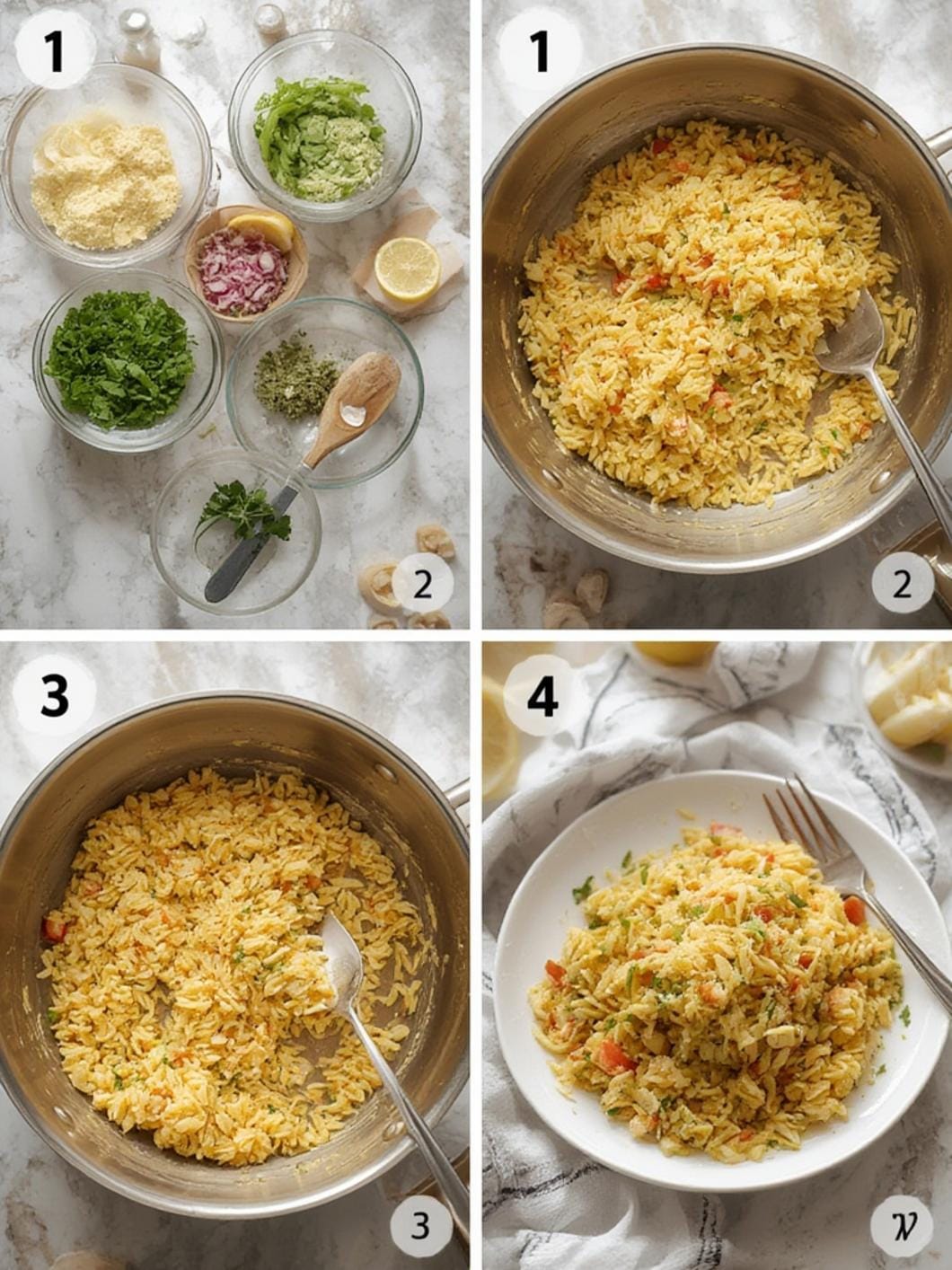
Bring 4 quarts of water to a rolling boil in your largest pot. Add 1 tablespoon kosher salt—it should taste like mild seawater. Add the orzo and stir immediately to prevent sticking. Cook according to package directions, but aim for al dente (slightly firm to the bite). This usually takes 8-9 minutes. Sensory cue: The orzo should be tender but still have a slight resistance when bitten—overcooked orzo turns mushy in the salad. Pro tip: Set a timer for 1 minute less than the package suggests and taste-test frequently.
Step 2: Drain and Cool Properly
Drain the orzo in a colander, but DO NOT rinse it (rinsing removes starch needed for dressing adherence). Immediately transfer to a large mixing bowl and drizzle with 1 tablespoon of olive oil. Toss gently to coat each piece. Actionable advice: Spread the pasta in a thin layer across the bowl’s surface to accelerate cooling. You can place the bowl in the refrigerator for 5 minutes to speed up the process. Common mistake preventer: Never leave hot orzo sitting in the colander—it continues cooking from residual heat and becomes gummy.
Step 3: Prepare the Vibrant Vegetables
While the orzo cools, wash and prep your vegetables. Dice the cucumber into uniform 1/4-inch pieces for consistent texture. Halve the cherry tomatoes—sensory tip: listen for the satisfying “pop” as your knife slices through the skin. Finely dice the red onion; if the aroma makes your eyes water, soak the pieces in ice water for 5 minutes, then drain and pat dry. Flavor boost: The smaller the dice, the better the flavor distribution in each bite.
Step 4: Craft the Zesty Lemon Dressing
In a small bowl, whisk together the olive oil, fresh lemon juice, lemon zest, minced garlic, Dijon mustard, honey, salt, and pepper. Emulsification technique: Whisk vigorously for 30-45 seconds until the dressing appears creamy and slightly thickened. Taste test: Dip a piece of cucumber into the dressing—it should be bright and tangy but not overwhelmingly acidic. If too sharp, add another teaspoon of honey; if too bland, increase salt by 1/4 teaspoon. Pro tip: This dressing can be made up to 3 days ahead and stored in a sealed jar in the refrigerator. Shake well before using.
Step 5: Combine and Marinate
Add the cooled orzo, diced cucumbers, halved tomatoes, drained chickpeas (if using), red onion, olives, parsley, and dill to the large mixing bowl. Pour two-thirds of the dressing over the salad and toss gently but thoroughly. Actionable advice: Use a large silicone spatula or wooden spoon to fold the ingredients, ensuring every piece gets coated. Reserve the remaining dressing—critical tip: pasta absorbs liquid as it sits, so you’ll add the rest just before serving. Cover the bowl with plastic wrap and refrigerate for at least 30 minutes (up to 2 hours for best results).
Step 6: Final Assembly and Serving
Remove the salad from the refrigerator 15 minutes before serving to take the chill off (unless serving in hot weather). Add the remaining dressing, crumbled feta cheese, torn basil leaves, and toasted nuts. Toss gently once more. Sensory check: The salad should look glistening with dressing, vibrant with color, and smell fragrant with lemon and herbs. Presentation tip: Serve in a shallow platter rather than a deep bowl to showcase the colorful ingredients. Garnish with extra lemon zest and fresh herbs for restaurant-style appeal.
Nutritional Benefits / Advantages
This homemade orzo lemon salad offers impressive nutritional value compared to store-bought alternatives. A typical serving (1 cup) contains approximately 320 calories, 12g protein, 45g carbohydrates, and 8g healthy fats from olive oil. The fresh vegetables provide essential vitamins: tomatoes deliver lycopene (a powerful antioxidant), cucumbers contribute hydration and vitamin K, and parsley offers vitamin C and flavonoids.
The olive oil-based dressing provides heart-healthy monounsaturated fats and anti-inflammatory properties. Unlike mayonnaise-heavy pasta salads, this vinaigrette-style lemon orzo pasta salad contains zero trans fats and significantly less saturated fat. The lemon juice aids digestion and enhances iron absorption from the vegetables. For those monitoring sodium, making this at home allows you to control salt levels—store-bought versions often contain 600-800mg sodium per serving, while this recipe can be adjusted to under 400mg.
Fiber content is substantial (4-5g per serving), promoting satiety and digestive health. Adding chickpeas boosts protein to 12g per serving, making it a complete vegetarian meal. The garlic provides allicin, known for immune-boosting properties, while the fresh herbs offer micronutrients often lost in processed foods.
Tips, Alternative Methods, or Cooking Advice
Stovetop vs. Other Methods:
While stovetop cooking is traditional, you can adapt this recipe creatively. For a slow cooker method, combine orzo, vegetables, and dressing in a slow cooker on low for 2-3 hours—ideal for potlucks, though the texture becomes creamier. An air fryer trick: toast your nuts/seeds at 350°F for 3-4 minutes for perfect crunch without burning. For oven preparation, roast cherry tomatoes and red onions at 400°F for 15 minutes before adding to the salad for concentrated flavor.
Ingredient Swaps for Dietary Needs:
– Keto-friendly: Replace orzo with cauliflower rice or shirataki noodles
– Protein boost: Add grilled chicken, shrimp, or tofu (3-4 oz per serving)
– Low-FODMAP: Use garlic-infused oil instead of fresh garlic, omit onion
– Kid-friendly: Reduce lemon zest by half, add sweet corn or peas
Seasoning Variations:
– Mediterranean twist: Add 1 tsp dried oregano and substitute red wine vinegar for half the lemon juice
– Spicy kick: Include 1/4 tsp red pepper flakes or a diced jalapeño
– Herb garden blend: Swap parsley and dill for tarragon and chives
– Umami bomb: Add 1 tbsp nutritional yeast or 2 tbsp miso paste to the dressing
Meal Prep Strategy:
Prepare components separately and assemble daily. Cooked orzo keeps for 4 days refrigerated; dressing lasts 1 week. Store vegetables separately to maintain crispness. This “component method” prevents soggy salad and allows customization throughout the week.
Common Mistakes to Avoid
Mistake 1: Overcooking the Orzo
Problem: Mushy, clumpy pasta ruins texture.
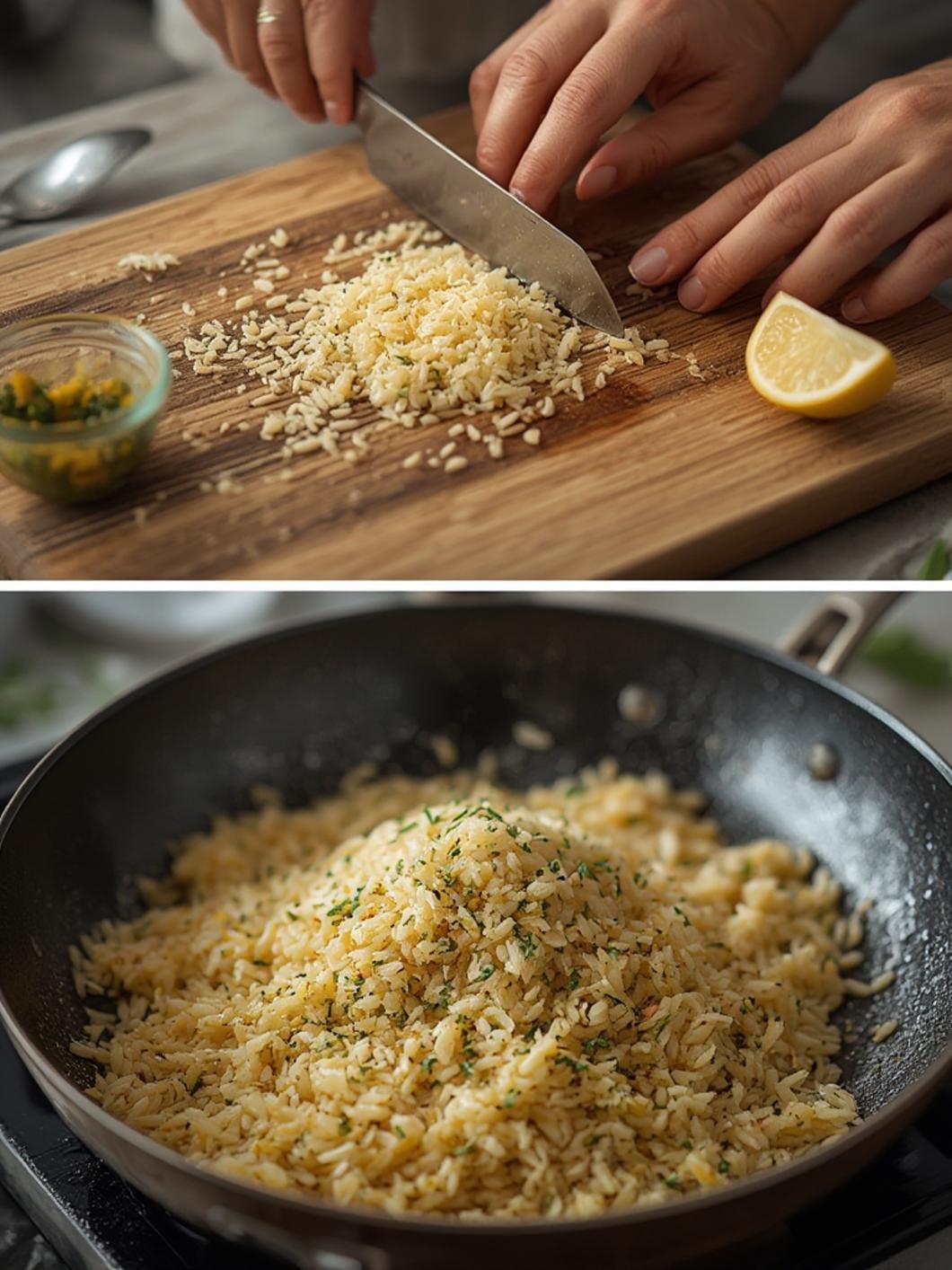
Solution: Taste test at 7 minutes and every 30 seconds thereafter. Remember, orzo continues absorbing liquid after draining. Err on the side of undercooked—it finishes softening in the dressing.
Mistake 2: Underseasoning the Dressing
Problem: Bland salad despite fresh ingredients.
Solution: The dressing should be slightly overseasoned since pasta dilutes flavors. Taste it on a piece of bread or lettuce leaf. It should make your taste buds tingle with brightness. Adjust lemon, salt, and sweetener balance before adding to the salad.
Mistake 3: Adding All Dressing at Once
Problem: Salad becomes soggy after chilling.
Solution: Use the two-thirds rule: dress heavily at first, chill, then add remaining dressing before serving. The pasta absorbs liquid, so this prevents a dry salad later.
Mistake 4: Skipping the Cooling Step
Problem: Hot pasta wilts vegetables and melts cheese.
Solution: Always cool orzo completely before mixing. Spread it on a baking sheet for faster cooling if needed. The salad ingredients should remain crisp, not cooked.
Mistake 5: Overloading with Add-ins
Problem: Imbalanced flavors and difficult tossing.
Solution: Follow the 60/40 ratio: 60% orzo base, 40% vegetables and mix-ins. This ensures each bite has pasta, vegetables, and dressing.
Storage / Maintenance Tips
Refrigerator Storage:
Store the assembled salad in an airtight container for up to 4 days. The flavors actually improve after 24 hours as the pasta absorbs the dressing. Keep feta cheese and fresh herbs separate until serving to maintain their texture and flavor. If the salad seems dry after storage, refresh it with a tablespoon of olive oil and lemon juice.
Freezing Guidelines:
While pasta salads generally don’t freeze well due to texture changes, you can freeze components separately. Cooked orzo freezes for up to 2 months; thaw overnight in the refrigerator. Vegetables lose crispness when frozen, so prepare fresh upon thawing. The dressing freezes successfully for 3 months—store in ice cube trays for portion control.
Reheating Methods:
This salad is best served cold or at room temperature. If you prefer it warm, microwave individual portions for 30-45 seconds or warm gently in a skillet over low heat. Add a splash of water or olive oil to prevent drying. Never freeze and reheat the complete salad.
Meal Prep Guidelines:
For optimal freshness throughout the week:
– Sunday: Cook orzo, make dressing, chop sturdy vegetables (cucumbers, onions)
– Monday: Combine everything except delicate herbs and cheese
– Daily: Add fresh herbs, cheese, and nuts before serving
– Portioning: Divide into single-serving containers for grab-and-go lunches
Food Safety Note: Keep refrigerated below 40°F. If left at room temperature for over 2 hours (or 1 hour in temperatures above 90°F), discard to prevent bacterial growth.
Conclusion
This vibrant orzo lemon salad proves that healthy, homemade meals don’t require hours in the kitchen or expensive ingredients. By balancing bright citrus with hearty pasta and fresh vegetables, you’ve created a versatile dish that works for meal prep, potlucks, or simple weeknight dinners. The lemon orzo pasta salad offers endless customization opportunities while delivering consistent, crowd-pleasing results. I encourage you to make this recipe your own—experiment with different herbs, add your favorite proteins, or adjust the lemon intensity to match your palate. Share your creations and variations in the comments below, or tag us on social media with your colorful bowls. For more Mediterranean-inspired recipes and time-saving cooking tips, explore our related posts on summer salads and pasta dishes that bring sunshine to your table, one delicious bite at a time.
FAQs
Q: Can I make this lemon orzo salad ahead of time for a party?
A: Absolutely! This salad actually improves with time as flavors meld. Prepare it up to 24 hours in advance, but keep fresh herbs, cheese, and nuts separate until just before serving. Store covered in the refrigerator and toss with reserved dressing to refresh before guests arrive.
Q: What’s the best way to prevent the orzo from sticking together?
A: Two key steps: use plenty of boiling water (4 quarts minimum), and toss the drained orzo immediately with 1 tablespoon of olive oil while it’s still hot. Spread it in a thin layer to cool quickly. Avoid rinsing, as the starch helps the dressing cling to the pasta.
Q: Can I use bottled lemon juice instead of fresh?
A: While fresh lemon juice provides superior flavor and brightness, bottled juice works in a pinch (use 3 tablespoons). However, avoid lemon juice from concentrate, as it lacks the vibrant zest notes. For best results, use fresh lemons and zest them before juicing.
Q: How do I adapt this recipe for dietary restrictions?
A: This recipe is highly adaptable! For gluten-free needs, substitute orzo with brown rice pasta or quinoa. For vegan versions, omit feta cheese and use maple syrup instead of honey. To reduce carbs, replace half the orzo with riced cauliflower. For low-FODMAP diets, use garlic-infused oil and omit onions.
Q: Why does my salad taste bland after refrigerating overnight?
A: The pasta absorbs liquid and flavor as it sits. Always reserve one-third of the dressing to add just before serving. Additionally, season the salad with extra salt, lemon juice, or fresh herbs after chilling. A sprinkle of flaky sea salt and fresh lemon zest can revive the flavors beautifully.