
fruit salad dressing – Easy 3-Ingredient Recipe
Table of Contents
Have you ever noticed how many store-bought fruit salads taste a little flat? You can start with the freshest berries, juicy melon, and crisp apples, yet their flavor gets overshadowed by an overly sweet, one-note syrup. The real secret to turning an ordinary bowl of fruit into something memorable isn’t just the fruit — it’s the fruit salad dressing that coats it. That’s where the craft of a truly exceptional homemade dressing makes all the difference.
Making your own dressing at home is a complete game-changer. You control the sweetness, balance the acidity, and lock in the vibrant, fresh flavors without any artificial preservatives or hidden processed sugars. It takes literally five minutes to whisk together, yet it elevates your fruit salad from a simple side dish to the star of the show. In this guide, we’ll not only share our go-to recipe but also explore how to craft the perfect fruit salad dressing that will have everyone asking for your secret.
Ingredients & Supplies
Crafting a delicious, well-balanced fruit salad dressing comes down to using quality ingredients and the right tools. Here’s what you’ll need to get started.
Ingredients:
- 1/4 cup Honey or Pure Maple Syrup: This provides the natural, sweet base. Honey offers floral notes, while maple syrup gives a deeper, caramel-like flavor. Use more or less depending on the sweetness of your fruit and your personal preference.
- 3 tablespoons Fresh Lemon Juice: This is the primary acid component, providing a bright, tangy counterpoint to the sweetness. Freshly squeezed is non-negotiable for the best flavor.
- 1 tablespoon Extra Virgin Olive Oil (Optional but Recommended): A small amount of good-quality olive oil gives the fruit salad dressing a smooth, silky texture and helps it adhere to the fruit. If you prefer a milder taste, you can use a light avocado oil — or simply leave the oil out altogether.
- 1/2 teaspoon Vanilla Extract: This is the secret weapon that adds warmth, depth, and an aromatic quality that ties all the flavors together.
- Pinch of Sea Salt: Just a tiny pinch (about 1/8 teaspoon) is crucial to enhance the sweetness and balance the acidity, making all the other flavors pop.
- Optional Add-in: 1 teaspoon finely chopped fresh mint or basil: For an extra layer of fresh, herbaceous complexity that pairs beautifully with summer fruits.
Supplies:
- Mixing Bowl (Medium-sized): To combine the ingredients.
- Whisk: For emulsifying the dressing into a smooth, unified liquid. A small fork also works in a pinch.
- Measuring Cups and Spoons: For accuracy.
- Citrus Juicer or Reamer: To efficiently extract the maximum amount of juice from your lemons.
- Glass Jar or Carafe with a Lid: For storing the leftover dressing. A jar with a tight-fitting lid is perfect for shaking the dressing before use.
Timing / Cooking Schedule
The beauty of this recipe is its speed. It’s a true “whisk-and-go” situation.
- Prep Time: 2 minutes (Juicing the lemon, measuring ingredients)
- “Cook” Time: 3 minutes (Whisking everything together)
- Resting/Chilling Time: 15 minutes (Optional, but recommended to let flavors meld)
- Total Time: 5-20 minutes
Compared to buying a bottle from the store, making your own fruit salad dressing is quicker and far more customizable. The 15-minute resting time works like steeping tea — it lets the flavors mingle and develop, creating a smoother, more unified taste.
Step-by-Step Instructions
Follow these simple steps to create a perfectly emulsified and flavorful dressing every time.
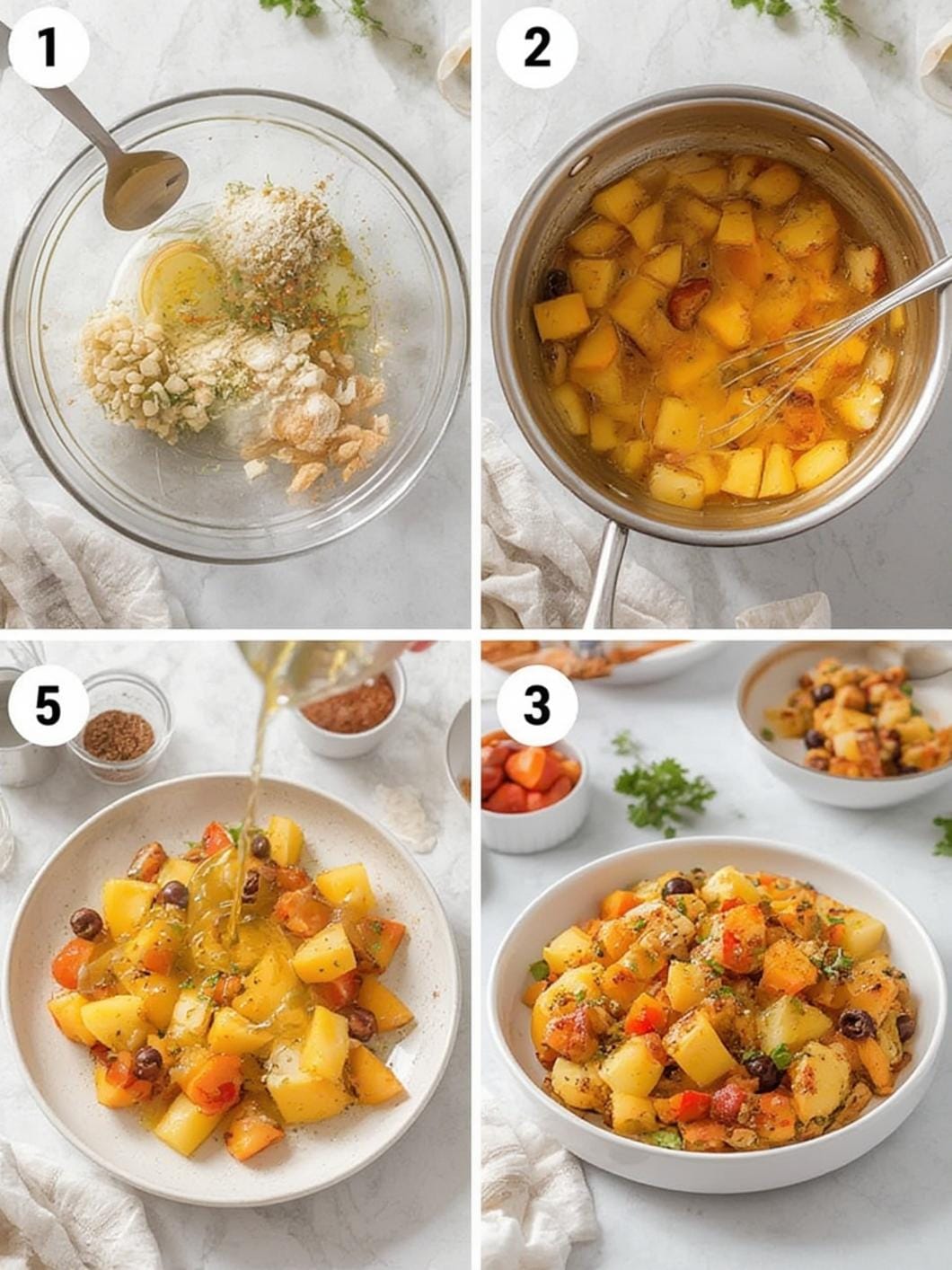
Step 1: Juice Your Lemon
Begin by rolling your lemon firmly on the countertop with the palm of your hand. This breaks down the internal membranes and helps you get more juice. Cut it in half and juice it using a citrus juicer. Sensory Cue: You’re looking for about 3 tablespoons of bright, clear, fragrant juice. Strain it if you want to avoid any seeds or bitter white pith.
Step 2: Combine Wet Ingredients
Pour the fresh lemon juice, honey (or maple syrup), optional olive oil, and vanilla extract into your mixing bowl. Actionable Advice: If your honey is thick and difficult to pour, warm it gently in the microwave for 5-10 seconds to make it more fluid.
Step 3: Whisk to Emulsify
Add the pinch of sea salt (and fresh herbs, if using). Now, whisk vigorously for about 60-90 seconds. Start slowly and then increase your speed. Sensory Cue: Watch as the oil (if using) breaks into tiny droplets and suspends within the acidic liquid, creating a slightly thickened, opaque, and unified dressing. This process is called emulsification, and it’s the key to a non-separating dressing. If you are making a German-style vinaigrette, you might be interested in this fruit salad dressing which is a great example of a vinaigrette.
Step 4: Taste and Adjust
This is the key step: dip a piece of fruit—such as an apple slice or strawberry—into the fruit salad dressing and give it a taste. Ask yourself whether it’s sweet enough or if it could use more brightness. Adjust as needed: add a bit more honey for sweetness, an extra splash of lemon for tang, or a small pinch of salt to bring the flavors into balance.
Pro Tip: Always taste your fruit salad dressing together with the fruit it will be served with, since the fruit’s natural flavors will affect how the dressing tastes.
Step 5: Chill and Serve
For the best flavor, cover the bowl and let the fruit salad dressing chill in the refrigerator for at least 15 minutes so the flavors can blend and develop. When you’re ready to serve, pour it over your prepared fruit salad and gently toss to coat.
Nutritional Benefits / Advantages
By making this fruit salad dressing at home, you’re already choosing a healthier option. Unlike many store-bought versions loaded with high-fructose corn syrup, artificial colors, and stabilizers, this homemade dressing is simple, clean, and wholesome.
- Natural Sweeteners: Using honey or pure maple syrup provides trace minerals and antioxidants that refined sugar lacks.
- Healthy Fats: If you opt for extra virgin olive oil, you’re adding heart-healthy monounsaturated fats and powerful anti-inflammatory compounds.
- No Preservatives: You are consuming the dressing in its freshest state, free from any additives.
- Digestive Health: The acidity from the lemon juice can aid in digestion and helps the body absorb nutrients from the fruit more effectively.
Tips, Alternative Methods, or Cooking Advice
This recipe is a fantastic base for experimentation. Here are some ways to customize it:
- Flavor Swaps:
Citrus: Swap the lemon juice for fresh lime, orange, or even grapefruit juice for a different acidic profile.
Herbs: Instead of mint, try fresh cilantro (great with tropical fruits) or tarragon (for a sophisticated, anise-like note).
Spices: Add a pinch of cinnamon, cardamom, or ginger for a warm, spiced version perfect for autumn fruit salads.
- Dietary Adjustments:
Vegan: Simply use maple syrup or agave nectar instead of honey.
Sugar-Free: Use a liquid stevia or monk fruit sweetener to taste. You may need to add a little extra lemon juice or water to compensate for the missing volume of the honey.
- Making a Larger Batch: You can easily double or triple this fruit salad dressing recipe. Making a quadruple batch will give you about one cup of dressing — ideal for meal prepping for the week.
Common Mistakes to Avoid
Even simple recipes can go wrong. Here are the most common pitfalls and how to avoid them:
1. Using Bottled Lemon Juice: This is the #1 mistake. Bottled juice contains preservatives and often has a dull, metallic, or bitter flavor. Solution: Always use fresh-squeezed citrus. It makes a world of difference.
2. Not Tasting Before Serving: A recipe is a guideline, not a rule. Your lemons might be more or less tart, your honey more or less sweet. Solution: Always taste and adjust the seasoning to create a perfectly balanced dressing for your specific ingredients.
3. Over-dressing the Salad: A common error is drenching the fruit, which can make it soggy and overwhelm its natural flavor. Solution: Start by adding about half of the dressing, toss gently, and then add more only if needed. You want to coat, not drown.
4. Forgetting the Salt: Many people believe salt doesn’t belong in a sweet dressing. Solution: Trust the process. That tiny pinch of salt is a flavor enhancer that makes the sweetness taste sweeter and the tang more vibrant.
Storage / Maintenance Tips
- Refrigeration: Store any leftover fruit salad dressing in an airtight glass jar or bottle and keep it in the refrigerator, where it will stay fresh for up to one week.
- Solidification: If you used olive oil, the fruit salad dressing may look cloudy or firm up in the cold. This is completely normal — simply let it sit at room temperature for 10–15 minutes, then shake well before using.
- Meal Prep: This fruit salad dressing is great for meal prep. Make a batch ahead of time and drizzle it over fresh fruit throughout the week. For the best texture, dress the fruit right before serving so it doesn’t become watery.
- Freezing: Avoid freezing the fruit salad dressing, as the oil and fresh juice can separate and change texture once thawed.
Conclusion
With just a handful of simple ingredients and five minutes of your time, you can create a versatile and incredibly delicious dressing that will revolutionize your fruit salads. By mastering this recipe, you gain full control over what goes into your food, ensuring a fresh, vibrant, and healthy result every time. A well-crafted fruit salad vinaigrette is more than just a condiment; it’s the finishing touch that brings harmony to a medley of fresh produce. You can read more about the history of fruit salads on fruit salad vinaigrette to understand its context. Now, go ahead and give this recipe a try!
We’d love to hear from you! Did you try the recipe? Did you add your own unique twist with herbs or spices? Let us know in the comments below or tag us in your photos on social media. Happy whisking!
FAQs
1. Can I use a different sweetener besides honey or maple syrup?
Absolutely! Agave nectar works beautifully. For a lower-carb option, you can use a liquid stevia or monk fruit sweetener, but be sure to adjust the quantity as they are much sweeter than honey. You may need to add a tablespoon of water to make up for the lost volume.
2. My dressing separated after sitting in the fridge. Is it ruined?
Not at all! This is natural, especially if you included the olive oil. The oil and the lemon juice/honey mixture will naturally separate over time. Simply screw the lid on your jar tightly and shake it vigorously for 15-20 seconds to re-emulsify it before serving.
3. How long will fruit salad dressed with this vinaigrette last?
A fruit salad dressed with this vinaigrette is best enjoyed within a few hours. The acid from the lemon juice will begin to “cook” the fruit (especially softer berries and bananas), causing it to release water and become mushy. If you need to prepare it ahead, store the chopped fruit and the dressing in separate containers and combine them just before serving.
4.Is this fruit salad dressing suitable for a savory fruit salad?
Yes, it’s wonderfully versatile! The balance of sweet and tangy makes it perfect for salads that include ingredients like cucumber, fennel, tomatoes, or even grilled chicken. You might want to reduce the vanilla and increase the salt slightly for a more savory-leaning dish.
5. I don’t have fresh herbs. Can I use dried ones?
You can, but use them sparingly. Dried herbs have a much more concentrated flavor than fresh. For this recipe, use about 1/4 teaspoon of dried mint instead of the 1 tablespoon of fresh. Add it during the whisking stage to give it time to rehydrate and release its flavor.